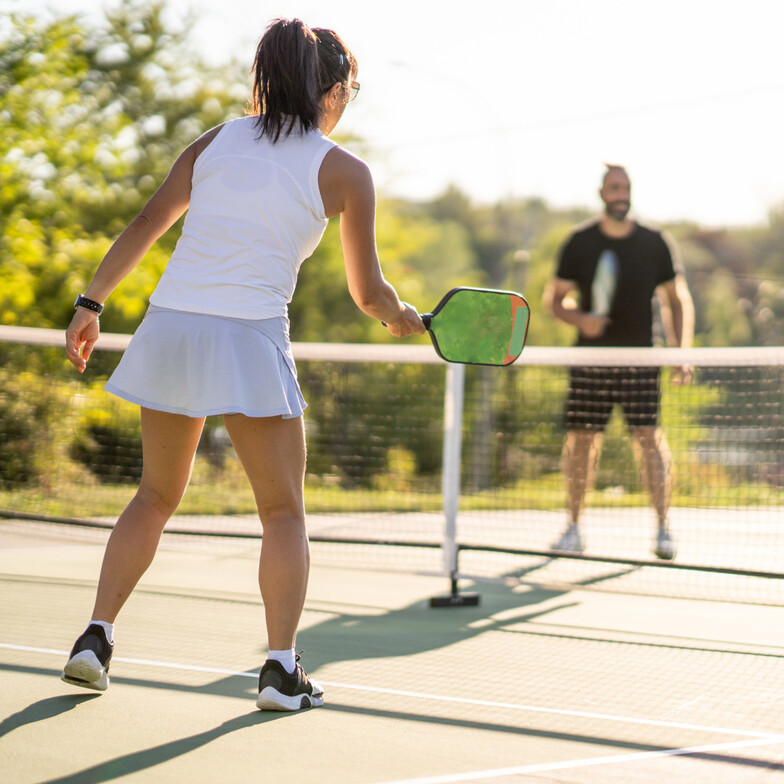
Pickleball continues to explode in popularity. But with the rapid growth in participation, we’re also seeing a predictable trend: more pickleball injuries.
At Shaw Spine & Sport, we help active adults recover from pain and get back to the sports they love—pickleball included—using conservative care, hands-on treatment, and active rehab.
Why pickleball injuries happen
Pickleball involves repeated:
- quick starts and stops
- side shuffling and sudden direction changes
- reaching and lunging
- overhead and rotational swings
That combination can overload tissues—especially when someone ramps up play quickly, returns after a long break, or plays on hard court surfaces.
Pickleball injuries aren’t rare—and they disproportionately affect older players. One summary of injury data noted that a large percentage of pickleball-related injuries occurred in individuals over age 60.
The good news: many pickleball injuries espond very well to conservative care and rehab when addressed early.
The most common pickleball injuries
A review of pickleball injury patterns found that the leading categories included sprains/strains. Here are the most common issues we see in the clinic.
Achilles tendinopathy
Pain at the back of the heel or lower calf from repeated shuffling, short sprints, and quick starts and stops. Calf strains can occur also.
Hip injuries
Hip flexor, hamstring, or glute strains are common. Repetive injury to the hip joint can also occur
Ankle injuries
A quick change of direction or uneven footing can lead to an ankle sprain.
Lower back injuries
Back pain or injury can occur from the ready stance, repeated rotation, awkward reaches, overuse, or falls.
Elbow injuries
Repeatative gripping and swinging can irritate the elbow over time. More common on the lateral (outside) elbow, but can present in other areas of the elbow as well.
Shoulder injuries
Repetitive serving can be challenging on the shoulder. The most common findings related to pickelball incude shoulder impingment and rotator cuff strains.
Knee injuries
Rapid starts and stops raises the risk for knee injuries, particular those with prior injuries. Other repetive injuries realated to pickleball include patellofemoral syndrome and tendonitis.
How to prevent pickleball injuries (simple, effective habits)
These steps lower your risk and help you play longer—especially if you’re getting back into activity.
Stay hydrated
Hydration supports performance and reduces fatigue-related errors that lead to sprains and strains.
Use proper footwear and gear
Court-appropriate shoes help you handle shuffles and quick direction changes with better grip and stability.
Exercise regularly (outside of pickleball)
A baseline of strength and endurance makes the sport safer—especially for calves, hips, knees, and shoulders.
Know your limits
Taking breaks and avoiding “one more game” when you’re fatigued can prevent strains and falls.
Warm up before you play
A short warmup and mobility work helps prepare tissue for the demands of quick movement.
When to get help for a pickleball injury
If pain is lingering beyond a few days, keeps returning, or limits your ability to move confidently, get evaluated.
At Shaw Spine & Sport, our goal is to:
- reduce pain and inflammation
- restore mobility
- build strength and tissue capacity with active rehab
- help you return to pickleball with a smart progression plan
Call or schedule online today.