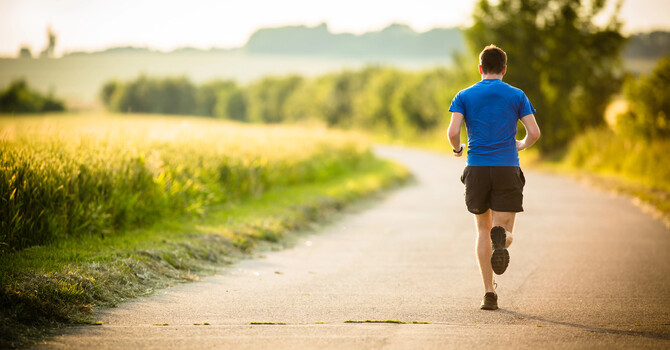
If you're an athlete or active person dealing with a nagging injury that doesn't seem to get better no matter how much you rest, you're not alone. Sports and overuse injuries are some of the most persistent and frustrating conditions we treat at Shaw Spine & Sport in Clive, IA. They tend to build gradually, linger long after the initial flare, and resist conventional care when the underlying muscular dysfunction isn't being addressed.
Trigger point dry needling is one of the most powerful tools in our clinic for exactly this kind of problem. It works directly on the muscle tissue driving your pain, helps restore normal movement, and gives your body the reset it needs to actually heal.
Why Overuse Injuries Are So Hard to Shake
Overuse injuries don't happen from a single traumatic event. They develop over time through repetitive loading of the same tissues, common in runners, cyclists, racquet sport players, weightlifters, and anyone whose training or work demands a lot of the same movement patterns.
When a muscle is repeatedly stressed without adequate recovery, small dysfunctional knots called trigger points develop within the tissue. These trigger points reduce local blood flow, create chronic tightness, and often refer pain to areas away from where the actual problem lives. A tight hip flexor can refer pain into the front of the knee. Overworked forearm extensors can make the outside of the elbow ache with every grip. Calf and plantar tissue tension can make every step feel like walking on broken glass.
This is why rest alone often falls short. You take two weeks off, the acute inflammation settles, and the moment you return to activity the pain comes right back because the trigger points were never addressed.
What Dry Needling Does for Sports Injuries
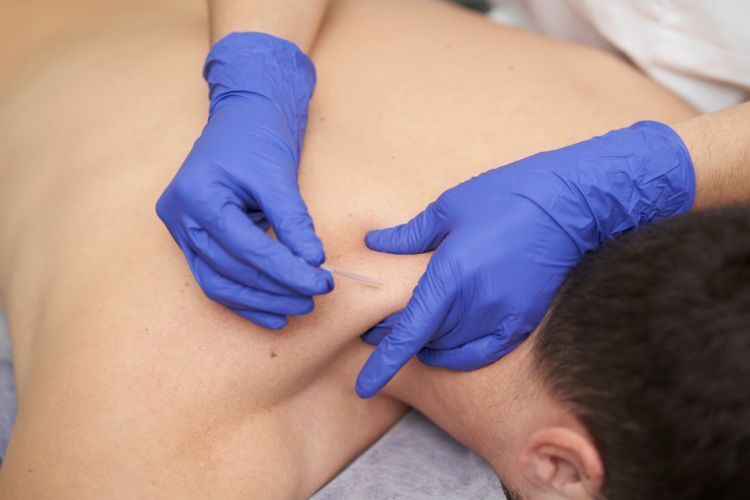
Trigger point dry needling uses thin filiform needles inserted directly into dysfunctional muscle tissue to release tension, improve circulation, and restore proper neuromuscular signaling. The needle creates a local twitch response in the muscle, which is the tissue finally letting go of the contraction it has been holding.
The dry needling benefits for athletes go well beyond just pain relief. Patients typically experience improved range of motion, faster tissue recovery, reduced sensitivity at the injury site, and better results from the strength and rehab work they do alongside treatment. Think of it as clearing the slate so that your rehabilitation exercises actually have something to work with.
At Shaw Spine & Sport, dry needling therapy is rarely used in isolation. It's integrated into a broader plan that often includes active release technique, exercise and rehabilitation, and chiropractic adjusting depending on what each patient needs.
Runner's Knee: When the Kneecap Stops Playing Nice
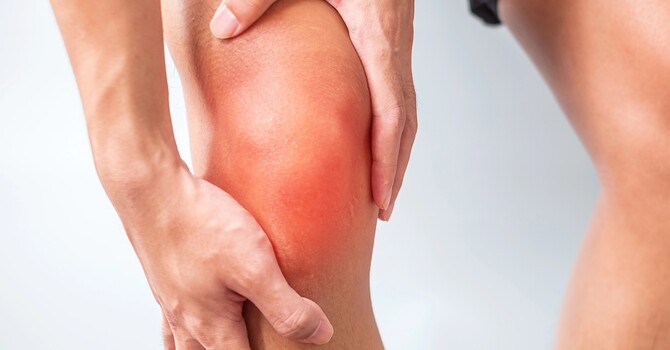
Patellofemoral pain syndrome, better known as runner's knee, is one of the most common overuse injuries we see at our Clive clinic. The pain typically settles around or behind the kneecap and gets worse with downhill running, stairs, squatting, or prolonged sitting.
The standard explanation focuses on hip weakness and poor knee tracking, and that's accurate. But what keeps many Des Moines area runners stuck is chronic tightness in the quadriceps, IT band, and lateral hip muscles that doesn't respond to stretching alone. When these tissues are loaded with trigger points, no amount of glute strengthening will fix the compressive force being driven into the patella.
Dry needling into the vastus lateralis, TFL, and the hip external rotators gives those muscles an immediate release that manual therapy and foam rolling often can't replicate. Combined with targeted rehab, most runners with patellofemoral pain see significant improvement in their knee pain within a handful of sessions.
Tennis Elbow: An Overuse Injury That's Rarely Just About the Elbow
Lateral epicondylitis, or tennis elbow, affects anyone who performs repeated gripping, wrist extension, or rotational forearm movements. Climbers, golfers, paddlers, and keyboard workers are just as likely to develop it as actual tennis players.
The pain at the outside of the elbow is coming from the extensor tendons and the muscles of the forearm that attach there. In chronic cases, those forearm muscles are almost always packed with trigger points, which creates a cycle of tension, poor blood flow, and impaired healing at the tendon.
Dry needling for tennis elbow targets those extensor muscles directly, releasing the chronic holding pattern that keeps the tendon irritated. We frequently pair this with instrument assisted soft tissue mobilization to work the tendon itself, which together produces faster and more durable results than either approach alone.
Shoulder Pain in Overhead Athletes
Rotator cuff strains, shoulder impingement, and posterior shoulder tightness are common overuse injuries in swimmers, baseball players, volleyball players, and anyone doing significant overhead pressing. The rotator cuff muscles are small, work incredibly hard, and are chronically neglected in most training programs.
Trigger point dry needling is particularly effective for the infraspinatus and teres minor, two muscles in the posterior shoulder that frequently develop trigger points and refer pain into the arm in patterns that are often mistaken for rotator cuff tears. Releasing these muscles can produce dramatic improvements in overhead range of motion and a significant reduction in shoulder pain that has lingered despite traditional treatments.
What to Expect from Dry Needling at Shaw Spine & Sport
A dry needling session at our Clive, IA clinic begins with a thorough evaluation of your movement patterns and soft tissue function. We identify where the dysfunctional tissue is, explain what we're doing and why, and proceed at a pace that makes sense for your condition and comfort level.
The procedure itself is typically quick. You may feel a local twitch response or a brief cramping sensation when the needle contacts the trigger point, which is actually a sign that we've found the right spot. Most patients experience some soreness afterward, similar to how your muscles feel after a hard workout, which resolves within a day or two.
Frequently Asked Questions About Dry Needling for Sports Injuries
How many dry needling sessions do you need for a sports or overuse injury?
It depends on how long you've had the injury and how your body responds, but most patients with sports and overuse injuries notice meaningful improvement after two to three sessions. A more complete course of care typically runs four to six sessions alongside other therapies like rehab exercises or soft tissue work. Chronic injuries that have been present for months generally take longer than acute ones.
Does dry needling help runner's knee?
Yes, and it's one of the conditions it works particularly well for. Runner's knee often involves significant trigger point activity in the quadriceps and lateral hip muscles that contribute to poor patellar tracking. Dry needling releases that tension directly, which reduces compressive load on the kneecap and gives strengthening exercises a much better chance of sticking.
Is dry needling the same as acupuncture?
No. While both use thin needles, they are based on entirely different principles. Acupuncture is rooted in traditional Chinese medicine and meridian theory. Dry needling is based on Western musculoskeletal anatomy and pain science, targeting specific trigger points within muscle tissue. The goals, training, and clinical applications are distinct.
Can dry needling help if I've already tried rehab based therapy and it didn't work?
Yes, dry needling can be highly effective if previous rehab has failed, particularly for chronic, stubborn pain or muscle tightness that didn't respond to conventional exercises. It acts as a "reset" button for muscle tissue, reducing pain and improving mobility when combined with ongoing exercise.
.jpg)