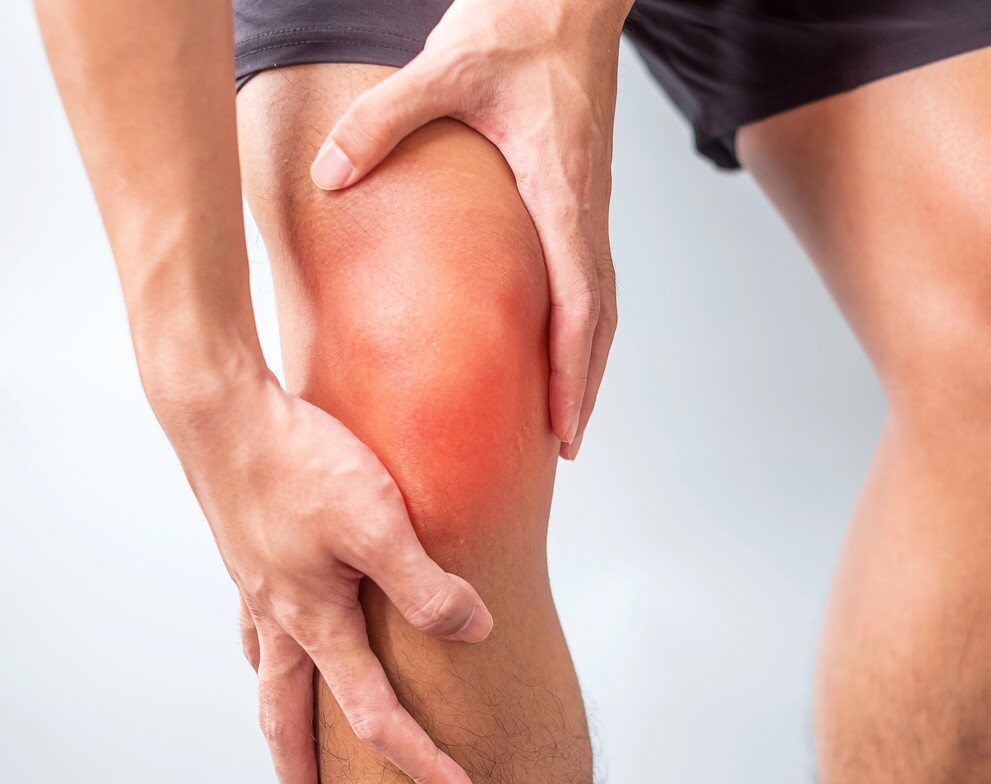
If you've ever felt a dull ache around or under your kneecap, or noticed your knee barking at you on the stairs, you're dealing with one of the most common complaints we see in our office: patellofemoral pain syndrome, better known as runner's knee.
What Is the Patellofemoral Joint?
Your kneecap (the patella) isn't just sitting on top of your knee — it has to glide smoothly along a groove in your thigh bone (the femur) every time you bend and straighten your leg. That gliding motion is the patellofemoral joint, and it depends on efficient mechanics up and down the entire leg to track properly. When something throws off that efficiency, that joint becomes irrittated, which is where the pain begins.
Why Does Patellofemoral Pain Develop?
Unlike a sprain or a twisted ankle, patellofemoral pain syndrome doesn't usually show up because of one specific injury. It creeps in gradually. Most of the time, we see two things happening together: a recent jump in activity (more intensity, more frequency) and an underlying mechanical inefficiency somewhere else in the kinetic chain that's overloading the kneecap.
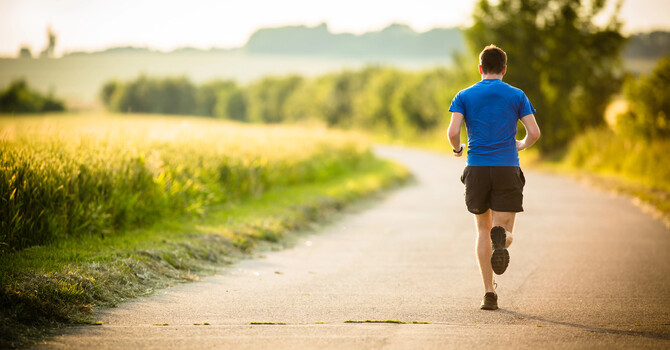
This is exactly why it's earned the nickname "runner's knee" — it's extremely common in runners. On gait analysis, we typically find one of two patterns driving it: overstriding, or a collapsing pattern in the frontal plane (the knee caving inward). Both patterns funnel extra load straight into the patellofemoral joint, stride after stride, mile after mile.
What Does Patellofemoral Pain Feel Like?
If this sounds familiar, you're not alone. Common symptoms include:
An achy sensation underneath or around the kneecap. Sensitivity going up and down stairs. Stiffness or pain right after standing up from sitting for a while. A flare-up of symptoms during or shortly after increased activity.
How We Treat Patellofemoral Pain Syndrome at Shaw Spine and Sport
Treating runner's knee well means addressing it on two levels.
Calming things down locally. We use targeted treatment at the knee itself, along with specific taping techniques, to reduce local irritation and bring symptoms down quickly. Short-term activity modification also plays a role here.
Fixing what's actually causing it. This is the part that actually keeps the problem from coming back. In most cases, the real driver of patellofemoral pain isn't the knee itself — it's inefficiency of global movement. This is where we have to look at things above and below the knee. If other areas aren't moving efficiently, the knee absorbs the extra load, and no amount of local treatment alone will fix it permanently.
Don't Let Knee Pain Sideline Your Training
Patellofemoral pain syndrome is common, but it's also very treatable once the underlying mechanics are identified and corrected. If you're dealing with achy, nagging knee pain we'd love to help you figure out what's driving it. Contact Shaw Spine & Sport today.
.jpg)