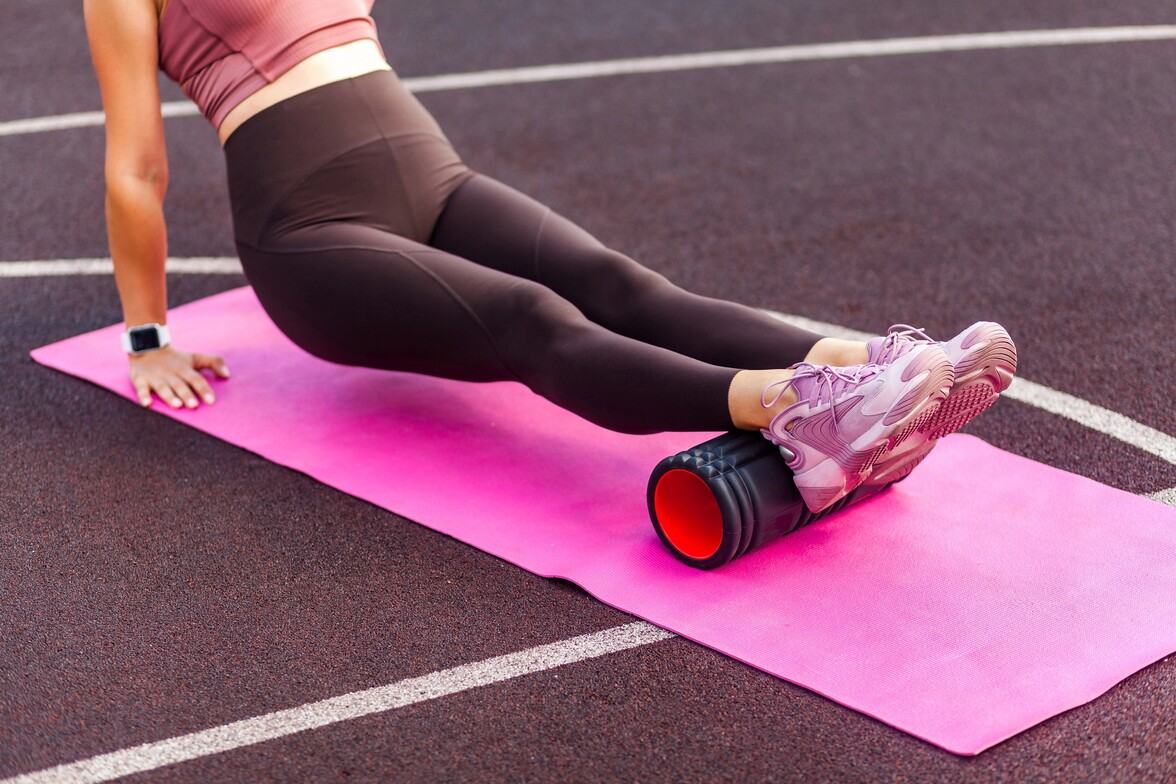
A foam roll is one of the simplest, most affordable recovery tools you can own, but most people only use it one way — and that's only half the story. At Shaw Spine & Sport in Des Moines, IA, we consider the foam roller an easy way of both getting your body ready to move and helping it recover afterward. Used correctly, it can support your training the same way dynamic and static stretching do: differently, depending on when you use it.
Two Ways to Use a Foam Roller
Think of foam rolling the same way you think about stretching. Before a workout or a run, you want dynamic movement — motion that fires up your muscle fibers and gets them primed for activity, rather than a long, static hold that can temporarily reduce muscle power. After activity, the goal shifts to a slower, more targeted cool-down that helps your tissue relax and recover. Before your workout (dynamic use): Instead of parking on a tight muscle and slowly rolling back and forth over the same spot, move the roller through different planes of motion to wake the muscle up. A great example is the outside of the thigh, along the IT band and TFL (tensor fasciae latae) — glide back and forth here to activate the area before you get moving.After your workout (static/trigger-point use): Once your session is done, switch strategies. Find the tight spots or trigger points and hold steady pressure on them, letting the muscle "melt" over the roller. Work through each trigger point before moving to the next one. This slower approach is where foam rolling shines as a recovery tool.
What the Research Says About Foam Rolling
This two-phase approach lines up well with what sports science research has found. A 2019 meta-analysis published in Frontiers in Physiology pooled data from multiple studies on foam rolling and reported that rolling before activity produced small but real improvements in flexibility (about a 4% increase) and a modest boost in sprint performance, without meaningfully hurting jump or strength output. In other words, using a foam roller as part of your warm-up is a reasonable way to improve mobility without the performance trade-offs sometimes associated with long static stretching. That same review found that foam rolling after exercise had its biggest impact on reducing perceived muscle soreness, with a meaningful effect on how sore people felt in the days following a workout — which mirrors the "post-workout, trigger-point" approach described above. A separate systematic review and meta-analysis published in Sports Medicine in 2022 looked specifically at foam rolling's effect on joint range of motion across 11 studies and roughly 290 participants. It found a moderate, statistically significant improvement in range of motion with regular foam rolling, particularly in the hamstrings and quadriceps. Interestingly, the same benefit wasn't consistently seen in the calf muscles, suggesting that foam rolling's effectiveness can vary by muscle group. That review also found that the biggest gains in flexibility came from programs lasting longer than four weeks — a reminder that, like most recovery tools, foam rolling works best as a consistent habit rather than a one-time fix.Taken together, the research supports what we tell patients in the clinic: foam rolling isn't a magic cure, but it's a low-cost, low-risk way to support both your warm-up and your recovery when it's used the right way, at the right time.
Who Benefits Most From Foam Rolling?
Foam rolling is a good fit for: Runners and athletes who want a more effective warm-up before training or competition. Weekend warriors and gym-goers dealing with tightness or soreness after a hard workout. Anyone recovering from a minor muscle strain who needs to keep tissue mobile without added strain. Patients working through a broader treatment plan for chronic tightness, trigger points, or restricted range of motion. That said, foam rolling isn't a substitute for a proper evaluation if you're dealing with persistent pain, a suspected injury, or a joint that isn't moving the way it should. In those cases, self-myofascial release is a helpful complement to treatment, not a replacement for it.
Getting the Most Out of Your Foam Roller
A few practical tips to apply the research above: Use quicker, gliding motions across different directions before activity, and slower, sustained pressure on trigger points after activity. Spend extra attention on larger muscle groups like the quads, hamstrings, and IT band, where the evidence for improved range of motion is strongest. Stick with it consistently — a single session won't move the needle much, but a few weeks of regular use is where the research shows real, measurable improvement. Pair foam rolling with a broader mobility and recovery plan rather than relying on it alone.
Have Questions About Your Recovery Routine?
Whether you're training for a race, working through nagging tightness, or just want a smarter recovery routine, our team at Shaw Spine & Sport can help you build a plan that fits your body and your goals. Contact us today.
Brady Thompson
Contact Me
.jpg)