If your job has you typing, scanning, gripping tools, or repeating the same wrist motion hour after hour, you may already know the warning signs of carpal tunnel syndrome. Tingling fingers, a weak grip, or a dull ache that creeps up your forearm by mid afternoon are all common complaints among office workers, warehouse staff, and tradespeople alike. Carpal tunnel syndrome is one of the most frequent workplace injuries in the country, and it rarely gets better on its own if the underlying mechanics never change. The encouraging news is that chiropractic care offers a proven, non surgical path to relief, one that treats the whole picture instead of just the symptom.
What Is Carpal Tunnel Syndrome and Why Work Makes It Worse
Carpal tunnel syndrome happens when the median nerve, which runs from your forearm into your hand through a narrow passage in your wrist, becomes compressed. Common carpal tunnel symptoms include numbness or tingling in the thumb, index, and middle fingers, night time hand pain, and a grip that feels less reliable than it used to.
So what causes carpal tunnel to flare up at work specifically? Repetitive motion is the biggest driver. Typing, scanning barcodes, using vibrating tools, or holding a phone against your ear for long stretches all put sustained pressure on that narrow passage. Poor wrist posture, awkward desk setups, and lack of recovery time between tasks compound the problem. Over months or years, that steady strain adds up.
Why This Kind of Repetitive Strain Injury Is So Common
Carpal tunnel syndrome falls under a broader category called repetitive strain injury, and workplaces are full of the conditions that cause it. Assembly line work, data entry, hairstyling, dental hygiene, and construction trades all involve the same small movements performed thousands of times a day. Unlike a sudden injury from a fall or an accident, repetitive strain injuries build slowly, which means many people wait too long before seeking care. By the time symptoms interfere with sleep or grip strength, the nerve has often been irritated for quite a while.
This is exactly the kind of workplace injury our team at Shaw Spine & Sport sees regularly among patients in Clive, Waukee, and the greater Des Moines area. Many people assume nothing can be done short of wrist braces or surgery, but that is rarely the full story.
How We Approach Carpal Tunnel Treatment
We must look beyond the wrist itself. While the median nerve compression happens at the carpal tunnel, the irritation often starts higher up, in the neck, shoulder, or forearm, where nerve pathways and muscle tension can contribute to symptoms downstream. Effective carpal tunnel treatment usually addresses the entire chain, not just the point where pain shows up.
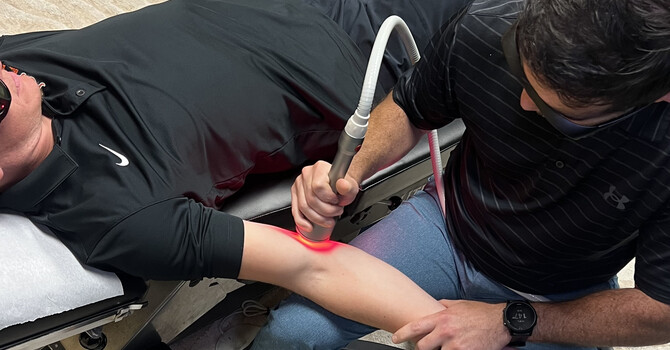
At our clinic, that often includes hands on techniques like joint mobilization and soft tissue work to release tightness in the forearm flexors and improve nerve mobility. Many patients also benefit from Active Release Technique, which targets adhesions in soft tissue that restrict normal movement, or instrument assisted soft tissue mobilization to break up scar tissue and improve circulation to the area. For more stubborn cases, tools like shockwave therapy or class IV laser therapy can help calm inflammation and speed healing without medication or a surgical referral.
What to Expect From Your First Visit
Your first appointment starts with a detailed history of your symptoms and job duties, followed by an exam to check nerve function, grip strength, and range of motion in your wrist, forearm, neck, and shoulder. This helps pinpoint exactly where the compression or irritation is coming from rather than guessing based on symptoms alone.
From there, your chiropractor builds a treatment plan suited to your specific workplace injury. Someone who spends eight hours a day at a keyboard needs a different plan than someone doing repetitive lifting or tool work, even if both present with similar carpal tunnel symptoms. Treatment plans commonly combine in office care with take home strategies you can use at your desk or job site.
Simple Carpal Tunnel Exercises and Prevention Tips
Alongside hands on treatment, targeted carpal tunnel exercises can support healing and reduce the odds of symptoms returning. A few that are easy to work into a workday include:
- Wrist flexor and extensor stretches, holding each for 30 seconds
- Tendon glides, making a fist and then extending the fingers slowly
- Short breaks every 30 to 45 minutes to reset wrist position
For lasting carpal tunnel relief, prevention matters just as much as treatment. Adjusting keyboard height, using an ergonomic mouse, and keeping wrists in a neutral position rather than bent up or down can meaningfully reduce strain over a full workday.
When to See Us for a Workplace Injury
If tingling, numbness, or hand weakness has lasted more than a couple of weeks, or if it wakes you up at night, it's worth getting evaluated before the irritation becomes harder to reverse. Early intervention tends to respond faster to conservative care and often avoids the need for more invasive options down the road.
Workplace injuries like carpal tunnel syndrome are common, but they don't have to become a permanent limitation. With the right combination of hands on treatment, targeted exercises, and practical changes to how you work, most people see real improvement. If you're in Clive, Waukee, or the Des Moines area and dealing with hand or wrist symptoms that started on the job, schedule a consultation with Shaw Spine & Sport. We'll help you understand what's driving your symptoms and build a plan to get you back to full, pain free function.