
If you’ve always been “flexible” but also deal with recurring pain, instability, or injuries that don’t seem to go away—hypermobility may be the missing piece.
At Shaw Spine & Sport, we regularly help patients who feel like nothing has worked long-term. The difference? We understand how to treat hypermobility the right way.
What Is Hypermobility?
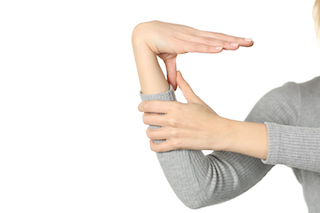
Hypermobility means your joints move beyond the normal range of motion. While that might sound like an advantage, it often leads to poor control and increased stress on your body.
Common signs include:
- Feeling “loose” or unstable in your joints
- Frequent sprains or strains
- Joint pain without a clear cause
- Clicking, popping, or shifting sensations
- Being naturally very flexible
The Real Problem: It’s Not Flexibility—It’s Stability
Here’s the key:
Hypermobility is not a flexibility problem—it’s a stability problem.
When joints move too much, your muscles and nervous system have to work overtime to control that motion. Over time, this leads to:
- Muscle overuse and fatigue
- Poor movement patterns
- Joint irritation and inflammation
- Pain that keeps coming back
Why Traditional Treatment Often Fails
Many approaches focus on:
- Stretching
- Increasing mobility
- “Loosening tight muscles”
For hypermobile individuals, this can actually make things worse.
If your joints already move too much, adding more mobility only increases instability. That’s why many people feel temporary relief—but never lasting results.
How We Treat Hypermobility at Shaw Spine & Sport
We take a completely different approach.
Instead of chasing symptoms, we focus on building control, strength, and stability.
Your care plan may include:
- Targeted active rehab and stability training
- Hands-on treatment without over-loosening joints
- Neuromuscular re-education and movement retraining
- 3D gait analysis for runners and active individuals
The goal is simple:
Help your body control movement so you can stay out of pain.
What This Looks Like in Real Life
We approach hypermobility differently.
Instead of pushing for more range of motion, we focus on:
- Improving joint positioning
- Training controlled, stable movement
- Reinforcing strength where your body needs it most
This is how patients go from:
- Feeling unstable → to confident
- Dealing with recurring pain → to lasting relief
- Avoiding activity → to performing at a higher level
Who This Is For
This approach is especially helpful if you:
- Have been told you’re “double-jointed”
- Feel like your pain keeps coming back
- Improve temporarily but regress quickly
- Are active or athletic but deal with nagging injuries
Why Proper Diagnosis Matters
Not every flexible person has a problem—but when hypermobility is paired with pain, it needs a specific plan.
That starts with a thorough evaluation.
At Shaw Spine & Sport, your first visit includes:
- A detailed movement and functional assessment
- Identification of instability patterns
- A clear plan built around your goals
The Bottom Line
If you’re hypermobile, the answer isn’t to move more—it’s to move better.
And that requires the right strategy.
We help patients:
- Get out of pain
- Build real stability
- Return to the activities they love
Ready to Get Started?
If this sounds like you, we’d love to help.
Schedule your first visit today


.jpg)