
Frozen shoulder, also called adhesive capsulitis, is one of the most frustrating shoulder conditions. Simple things like putting on a jacket, reaching into the back seat, or lifting overhead can become painful and limited.
At Shaw Spine & Sport, we help people in the Des Moines area improve shoulder pain and restore motion with a personalized plan that may include Shockwave Therapy, hands-on care, and guided rehab—depending on what’s driving your symptoms.
What Is Frozen Shoulder?
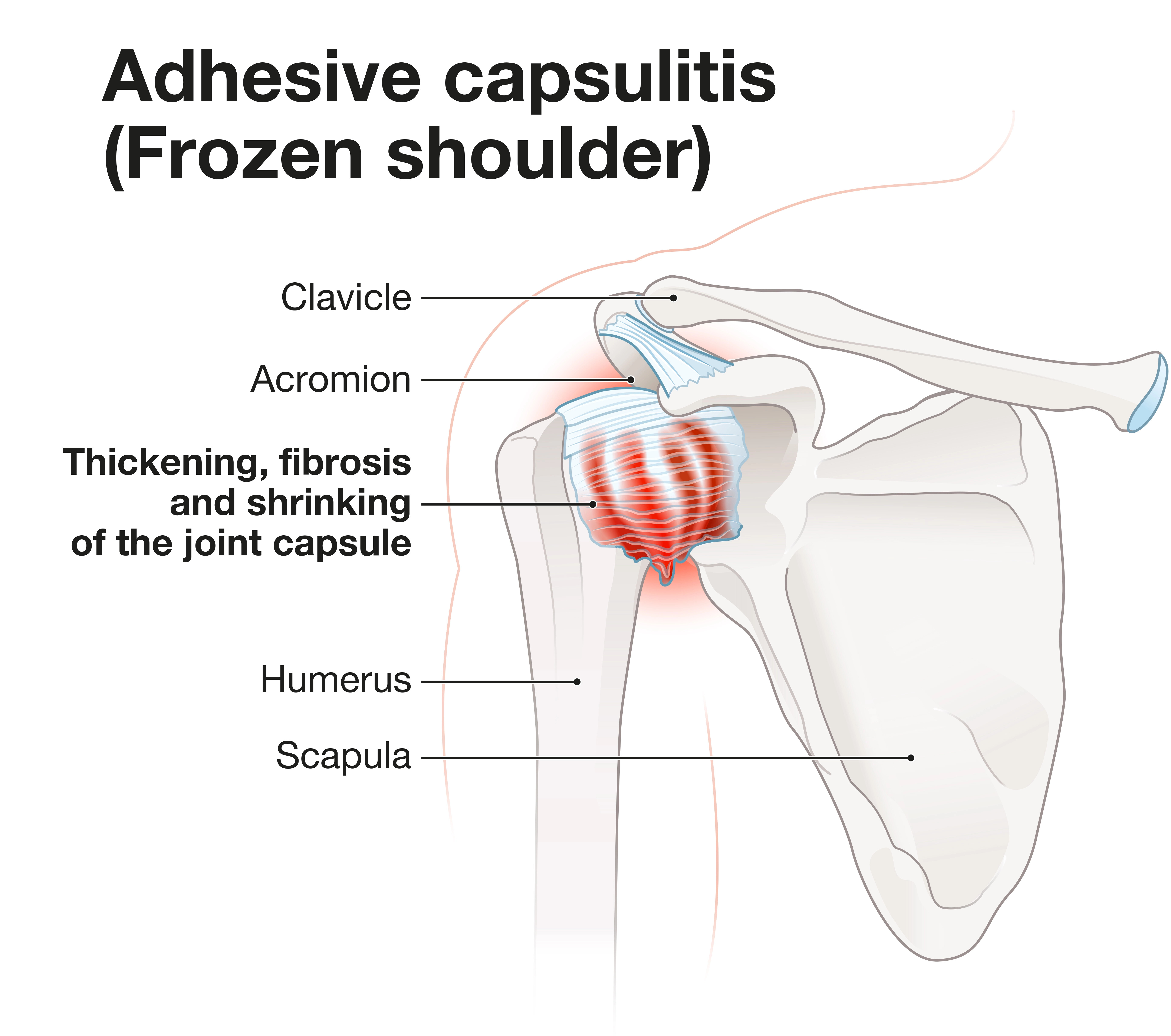
Frozen shoulder is a condition where the capsule of connective tissue around the shoulder joint becomes thickened and tight, restricting movement. Symptoms usually start gradually, worsen over time, and then slowly improve, often over 1 to 3 years.
Common symptoms
- Deep, aching shoulder pain (often worse at night)
- Stiffness and loss of range of motion
- Difficulty reaching overhead or behind your back
- Pain with dressing, lifting, grooming, or reaching
What Causes Frozen Shoulder?
The exact cause isn’t always clear, but frozen shoulder is more likely after a period of immobility or reduced shoulder movement, such as:
- Recovery after surgery
- A fracture (like a broken arm)
- Rotator cuff injury
- Stroke-related shoulder immobility
The more the shoulder stays still, the more the capsule can tighten—creating a cycle of pain → less movement → more stiffness.
Frozen Shoulder Risk Factors
Frozen shoulder is most common in:
- Adults over 40
- Women
- People with certain conditions including:
- Diabetes
- Thyroid disorders (hyperthyroid or hypothyroid)
- Cardiovascular disease
- Parkinson’s disease
It’s also possible (though not common) for frozen shoulder to happen in the other shoulder, sometimes within about five years.
Standard Treatment Options for Frozen Shoulder
Treatment typically focuses on restoring motion and reducing pain. Depending on your case, options may include:
- Range-of-motion and stretching exercises
- Manual therapy and soft tissue work
- Anti-inflammatory strategies
- Corticosteroid and/or anesthetic injections (in some cases)
- Arthroscopic surgery (rarely, if conservative care fails)
Because frozen shoulder can last a long time, many people look for ways to accelerate recovery and improve function sooner.
Shockwave Therapy for Frozen Shoulder
Shockwave Therapy is a non-invasive treatment that uses targeted acoustic waves to stimulate the body’s natural healing response. It’s commonly used for stubborn musculoskeletal conditions—and it can be a helpful option for shoulder pain and stiffness related to frozen shoulder.
How shockwave therapy may help frozen shoulder
- Improves circulation
- Helps address scar tissue and adhesions
- Reduces inflammation and pain sensitivity
- Supports tissue repair
- Improves range of motion
Shockwave Therapy vs. Other Frozen Shoulder Treatments
One reason many patients like shockwave therapy is that it’s:
- Non-invasive (no surgery)
- No injections required
- Minimal downtime (return to normal activity quickly)
- Targeted to the tissue contributing to pain and stiffness
We typically untilize along side other methods of conservative care like mobility work, soft tissue treatment, and active rehab—often a key for sustainable results.
What to Expect During a Shockwave Therapy Session
Here’s what a typical session looks like at our clinic:
- Setup: A gel is applied to help transmit the acoustic waves.
- Treatment: A handheld device delivers shockwaves to targeted areas of tension and pain.
- Time: Most sessions take 10–15 minutes.
- Afterward: Most people return to normal daily activities right away.
Some mild discomfort can happen during treatment (especially over sensitive areas), but it’s usually very manageable.
Is Shockwave Therapy Safe?
For most people, shockwave therapy is considered safe and well-tolerated. Possible short-term side effects can include:
- Temporary soreness during/after treatment
- Mild swelling
- Temporary redness
These typically resolve within a day or two.
Who may not be a good candidate?
People with certain conditions—such as active infections in the area or blood clotting disorders—may not be ideal candidates. An evaluation helps determine what’s appropriate for you.
How Many Shockwave Sessions Are Needed for Frozen Shoulder?
While every case is different, many people notice improvement within 4 to 8 sessions, typically spaced about one week apart. Your plan should be based on:
- Stage of frozen shoulder (early painful vs. stiff phase)
- Severity of range-of-motion loss
- Your activity goals and response to treatment
Simple At-Home Tips to Support Frozen Shoulder Recovery
Shockwave therapy works best when paired with smart daily habits. Helpful strategies include:
- Gentle mobility exercises: passive mobility and light stretching
- Posture awareness: reduce shoulder strain by avoiding prolonged slouching
- Heat or cold: heat for muscle relaxation; cold for inflammation
- Modify activity: avoid repetitive overhead motion and aggressive stretching early on
- Sleep positioning: back or unaffected side with pillow support
- Anti-inflammatory nutrition: focus on whole foods (vegetables, fish, nuts), reduce processed sugar
When Should You Get Help for Frozen Shoulder?
If your shoulder pain and stiffness are lasting more than a few weeks—or you’re losing motion—it’s worth getting evaluated. The earlier you address it, the easier it is to prevent compensation patterns and keep your shoulder progressing.
Frozen Shoulder Treatment in Des Moines at Shaw Spine & Sport
If frozen shoulder is limiting your daily life, Shockwave Therapy may be a great fit as part of a conservative treatment plan. Our goal is to help you:
- Reduce pain
- Restore mobility
- Return to work, workouts, and daily life with confidence
Schedule an appointment at Shaw Spine & Sport and we’ll walk you through the options—including whether shockwave therapy makes sense for your specific case.

.jpg)